Texas · Sun Belt Post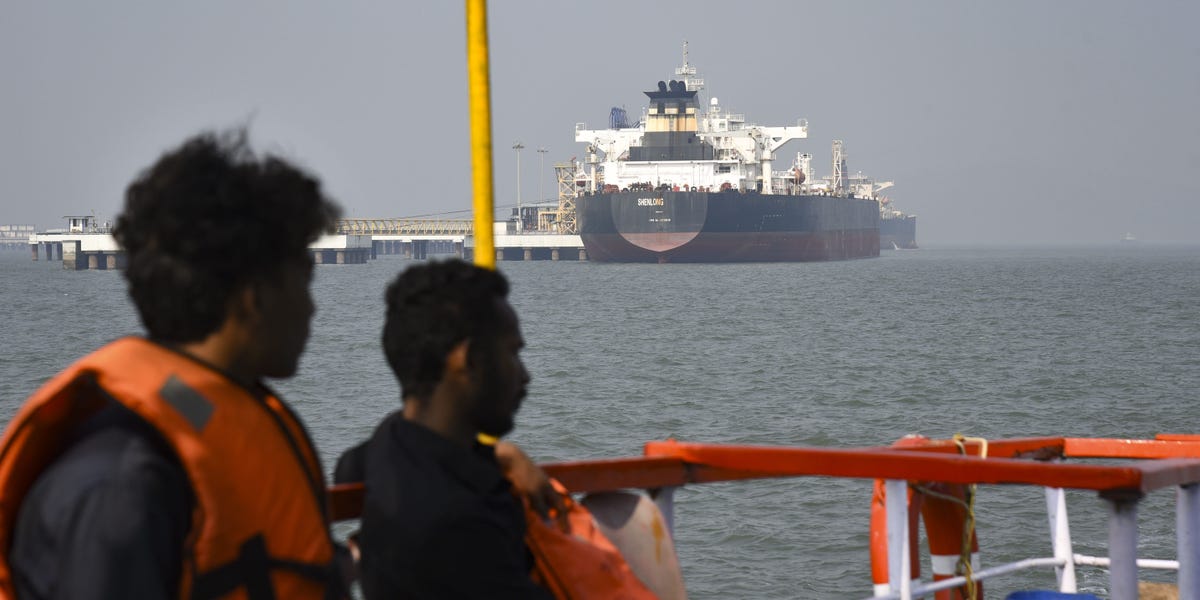
By Huileng Tan You're currently following this author! Click to unsubscribe from email alerts. Traders remain focused on the risk of renewed disruptions to Middle East energy supplies.
Imtiyaz Shaikh/Anadolu/Getty Images Oil exports from the Persian Gulf have largely recovered to their 2025 average levels, but oil prices remain stubbornly high. On Thursday, international benchmark Brent crude oil futures were trading around $97 a barrel after surging during the Iran war, when attacks on energy infrastructure and fears of disruption to shipping through the Strait of Hormuz rattled global oil markets. The recovery in Gulf oil exports has outpaced the decline in oil prices, according to analysts at Goldman Sachs in a note published on Tuesday.
Goldman estimates Persian Gulf oil exports reached 23.3 million barrels a day over the past week, roughly matching their 2025 average after doubling in September. Higher shipments through the Strait of Hormuz, including ship-to-ship transfers, drove much of the recovery. That came despite a drone attack on Saudi Arabia's East-West pipeline last month and the Houthis' continuing blockade of Saudi exports through the Bab al-Mandab Strait.
Saudi Arabia led the recovery, with exports rising above their 2025 average after shipments were redirected to eastern ports, Goldman's analysts wrote. Meanwhile, Iranian exports fell to below 20% of their 2025 average. The rebound has been concentrated in crude.
Goldman estimates crude exports from the Persian Gulf have climbed to 108% of their 2025 average, while exports of diesel, gasoline, and jet fuel remain at about half their normal level. The bank's analysts attributed the gap to refinery outages, which remain well above seasonal norms, and the greater risks of transporting refined fuels because refined products are more flammable than crude. Oil prices remain elevated because traders are still pricing in the risk of further attacks on energy infrastructure, Goldman said.
The bank also pointed to unusually low global oil inventories, saying buyers have an incentive to rebuild stockpiles while geopolitical risks remain high. Goldman maintained its forecast for Brent to moderate to $85 a barrel by year-end and $80 in 2027, citing the recovery in Gulf exports and weaker Chinese import demand. "That said, we still worry about renewed potential escalation that damages more energy infrastructure, which could cause significant upside to prices," the analysts wrote.
Read next Huileng Tan You're currently following this author! Click to unsubscribe from email alerts. Huileng Tan is a senior reporter based in Singapore, covering markets, the global economy, commodities, and investing.
Her reporting focuses on how shifts in money, demographics, technology, and policy are reshaping businesses, wealth, and everyday life around the world. Since joining Business Insider in 2021, she has covered everything from commodity booms and investor trends to China's economy, the AI trade, and the forces driving global markets. Before joining Business Insider, she reported for CNBC, Dow Jones, ICIS, and The Wall Street Journal.
Reach her at htan@businessinsider.com . oil prices Energy Economy More Iran
Source: Business Insider